The beautiful unattainability of being happy
Happiness is one of the most chased things in the world, and one of the least understood. A small French novel makes the case we've been going about it wrong.
Once upon a time, there was a woman who was not very satisfied with herself.
Growing up, while other children aspired to be doctors, lawyers, singers, and all the things children think they want to be, she just wanted to be happy.
But happiness was never really a topic of discussion at home. She didn't remember many moments where either of her parents expressed happiness. Achievements were acknowledged and milestones noted, but no one ever asked, “Are you happy?”
You see, she didn't have a crappy childhood; far from it. It was that of privilege. But happiness? That always felt abstract.
As she grew up, she kept looking for happiness—in friendships, boyfriends, work, school, experiences... Never quite sure what it looked like, only certain that she wanted it.
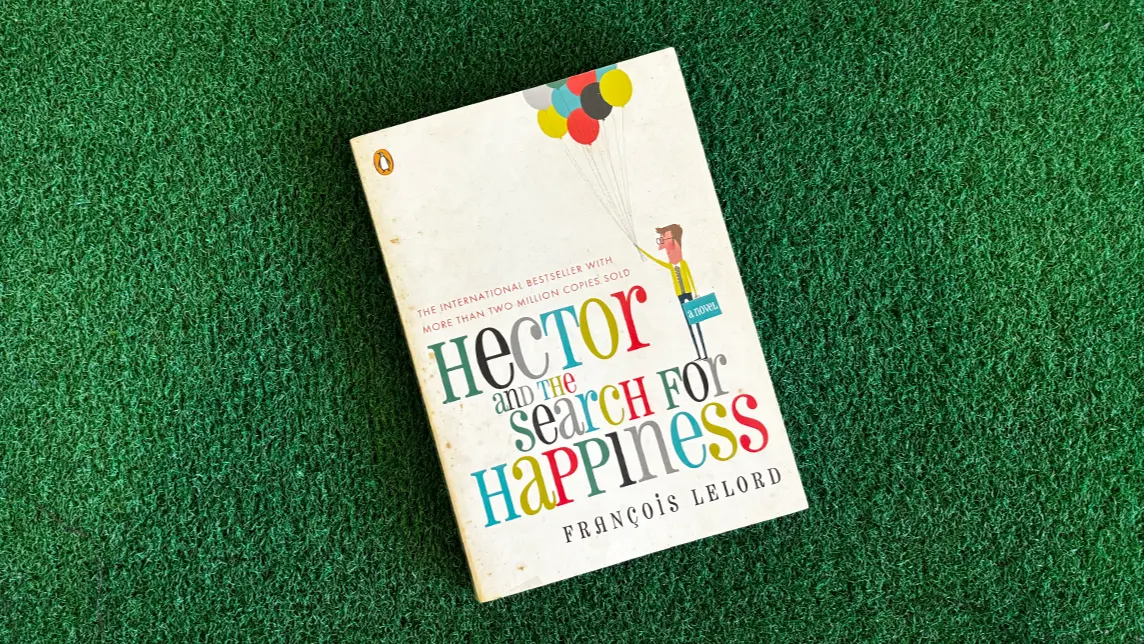
Like the protagonist in Hector and the Search for Happiness, she went on a journey (more through life than on a trip) to find it.
And that she (if you haven't yet guessed) is me.
Have we become obsessed with being happy?
This malady may seem modern, but surely, it's as old as consciousness itself. The difference now, according to author of the bestselling NEW HAPPY Stephanie Harrison, is that we’ve turned the existential question of "Is this all there is?" into more of a corporate byproduct.
“‘Happy,’” she says in a Mindvalley Book Club interview with Kristina Mänd-Lakhiani, “comes from the systems of capitalism, individualism, and domination that teach us what to value and what’s important to us.”
The curated yoga retreats, the $20 green juices (although I do love my weekly Boost Juice), and the "mindfulness" apps that notify you to breathe while you're in a stressful meeting.
And what about the wearables that track your "stress scores" and journals that force you to write down three things you're grateful for before you've even had your morning coffee?
Or the "dream job" or the "side hustle" that promises if you just work hard enough at your passion, you’ll never "work a day in your life."
Then, there's the infinite scroll of influencers whose entire brand is "living their best life!" Contentment has turned into "content," and the baseline now is curated happiness.
Oh, and let's not forget the "I-did-it-and-so-can-you" gurus, like Robin Sharma, Jay Shetty, and those in the personal growth bubble, who package their personal breakthroughs into universal blueprints.
They sell the idea that happiness is a skill to be mastered or a product to have. At the end of the day, all it implies is that if you’re still unhappy, you simply haven't bought the right map yet.
The reality check
It seems that the stats on happiness are less than...well, happy.
Over the past 14 years, happiness has been declining in many countries. Ipsos tracked 20 nations starting in 2011, and 15 of them are now less happy than they were back then.
In a 2022 global poll, 45% of people haven’t experienced true happiness in more than two years, and 25% don’t even know what that feels like.
The World Happiness Report 2025 shows that happiness is falling in countries like the U.S. and U.K., particularly for younger generations.
The thing is, almost everyone (about 97% of people) wants to be at least a little happy, according to a 2024 study in Perspectives on Psychological Science. In fact, many even dream of the ultimate happiness, which shows how universal this desire really is.
But here's the ironic part: a 2025 study conducted by researchers at the University of Toronto Scarborough suggests that our obsession with being happy may actually make us less happy.
Hector's search for happiness
Now, if you're saying, "Hold up, Tatiana. Not all of us here are living in misery," you're right. Most days, we’re fine. But living in a state of "I'm fine" isn't the same as being happy.
And that question—what happiness actually is—is exactly what sent Hector on his journey. He realized, as a psychiatrist, that his most "successful" patients were often his most dissatisfied. They kept chasing to achieve more, buy more, earn more...only to stay in the exact same emotional place.
But in the journey he takes to understand happiness, he also realizes that it's not something to chase or search for. It's something to feel.
As François Lelord, the book's author, writes, “Knowing and feeling are two different things, and feeling is what counts.”
The mistake we make, as Hector discovers, is that we often chase happiness as a permanent state. But the reality is, happiness is a series of fleeting moments within a meaningful life—just like sadness is, just like anger, just like every other emotion on the wheel.
"Happiness. We're tearing our hair out to try to find a definition of it, for heaven's sake. Is it joy? People will tell you that it isn't, that joy is a fleeting emotion, a moment of happiness, which is always welcome, mind you. And then what about pleasure, huh? Oh, yes, that's easy, everybody knows what that is, but there again it doesn't last. But is happiness not the sum total of lots of small joys and pleasures, huh?" — The professor, Hector and the Search for Happiness
The beauty of the unattainable
When I think back to the little girl who just wanted to be happy when she grew up...well, who's to say that I'm not?
But the version of joy that I had been sold only led me into a cul-de-sac of "not enough" and "keep grindin'." And in reading Hector and the Search for Happiness, I wonder if I, like many, feel stuck on that hedonic treadmill simply because I'm trying to be happy instead of just feeling happy.
After all, aren't perpetually happy people annoying? Who wants to be a Ned Flanders from The Simpsons or Joy from Inside Out or Kenneth from 30 Rock? I certainly don't.
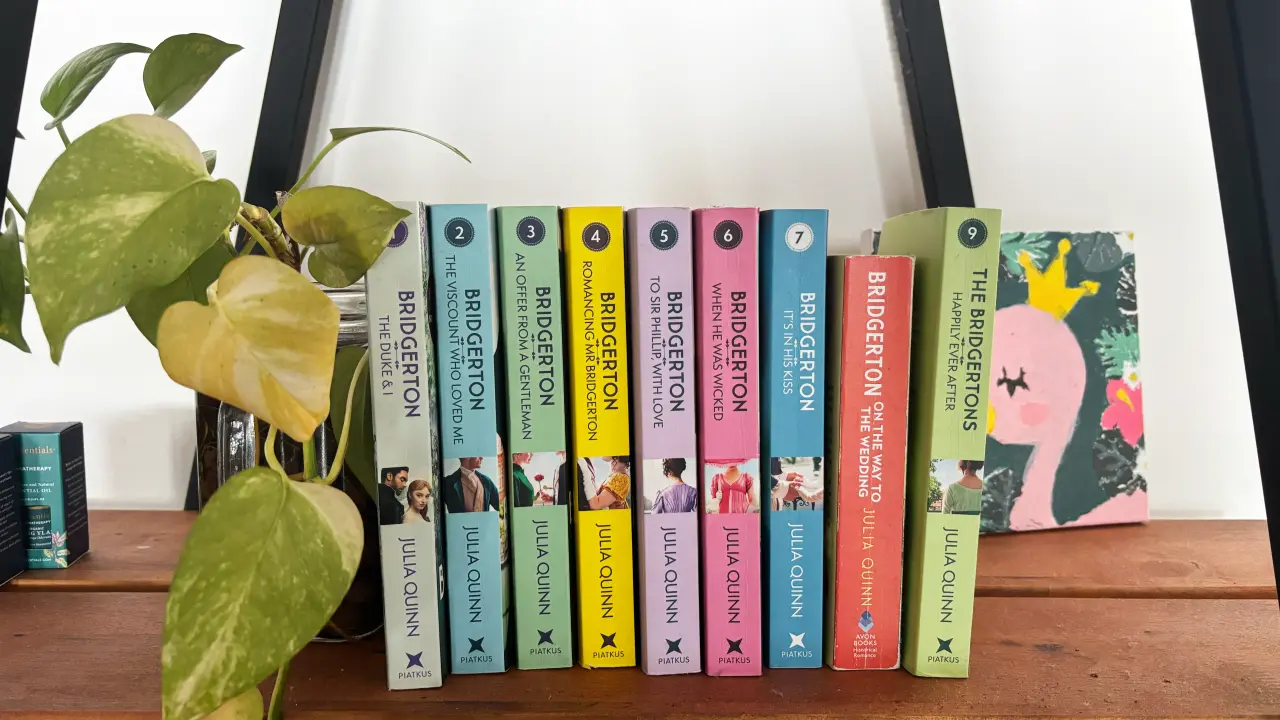
I suppose I'd rather be a Ted Lasso or a Lorelei Gilmore or a Penelope Featherington... Embracing the good, the bad, and the in-betweens.
And maybe that's the true beauty of happiness, right? It isn’t meant to be captured, only experienced.
I could be wrong, and maybe you have a completely different take. Read the book, and let me know your thoughts on it.
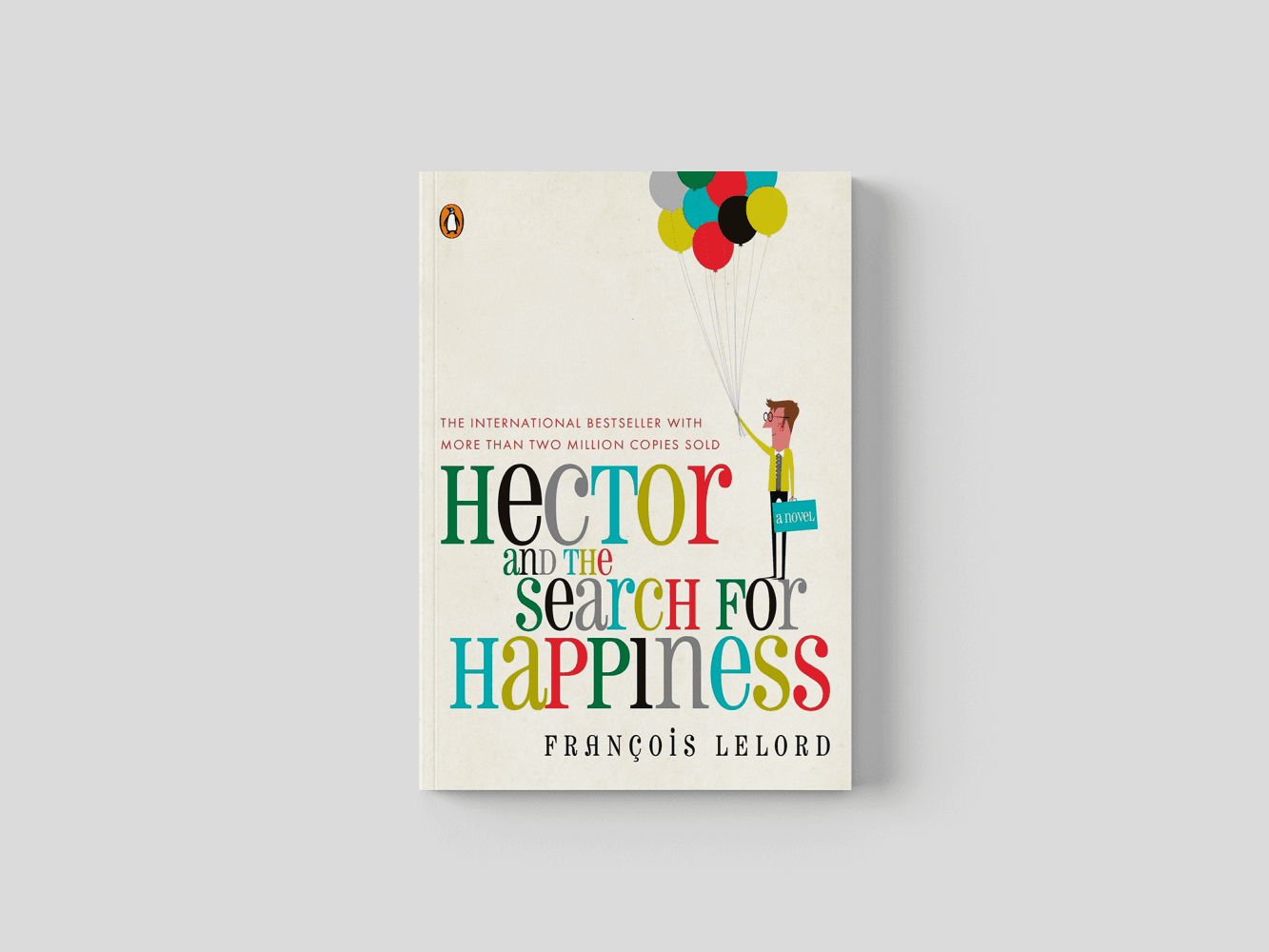
Buy the book 👇🏼 (This is not an affiliate link. I won’t receive anything if you buy it.)
—
This article was written with a little help from AI.
More Reads
Still here? Good. There's more.

The beautiful unattainability of being happy
Happiness is one of the most chased things in the world, and one of the least understood. A small French novel makes the case we've been going about it wrong.
Once upon a time, there was a woman who was not very satisfied with herself.
Growing up, while other children aspired to be doctors, lawyers, singers, and all the things children think they want to be, she just wanted to be happy.
But happiness was never really a topic of discussion at home. She didn't remember many moments where either of her parents expressed happiness. Achievements were acknowledged and milestones noted, but no one ever asked, “Are you happy?”
You see, she didn't have a crappy childhood; far from it. It was that of privilege. But happiness? That always felt abstract.
As she grew up, she kept looking for happiness—in friendships, boyfriends, work, school, experiences... Never quite sure what it looked like, only certain that she wanted it.
Like the protagonist in Hector and the Search for Happiness, she went on a journey (more through life than on a trip) to find it.
And that she (if you haven't yet guessed) is me.
Have we become obsessed with being happy?
This malady may seem modern, but surely, it's as old as consciousness itself. The difference now, according to author of the bestselling NEW HAPPY Stephanie Harrison, is that we’ve turned the existential question of "Is this all there is?" into more of a corporate byproduct.
“‘Happy,’” she says in a Mindvalley Book Club interview with Kristina Mänd-Lakhiani, “comes from the systems of capitalism, individualism, and domination that teach us what to value and what’s important to us.”
The curated yoga retreats, the $20 green juices (although I do love my weekly Boost Juice), and the "mindfulness" apps that notify you to breathe while you're in a stressful meeting.
And what about the wearables that track your "stress scores" and journals that force you to write down three things you're grateful for before you've even had your morning coffee?
Or the "dream job" or the "side hustle" that promises if you just work hard enough at your passion, you’ll never "work a day in your life."
Then, there's the infinite scroll of influencers whose entire brand is "living their best life!" Contentment has turned into "content," and the baseline now is curated happiness.
Oh, and let's not forget the "I-did-it-and-so-can-you" gurus, like Robin Sharma, Jay Shetty, and those in the personal growth bubble, who package their personal breakthroughs into universal blueprints.
They sell the idea that happiness is a skill to be mastered or a product to have. At the end of the day, all it implies is that if you’re still unhappy, you simply haven't bought the right map yet.
The reality check
It seems that the stats on happiness are less than...well, happy.
Over the past 14 years, happiness has been declining in many countries. Ipsos tracked 20 nations starting in 2011, and 15 of them are now less happy than they were back then.
In a 2022 global poll, 45% of people haven’t experienced true happiness in more than two years, and 25% don’t even know what that feels like.
The World Happiness Report 2025 shows that happiness is falling in countries like the U.S. and U.K., particularly for younger generations.
The thing is, almost everyone (about 97% of people) wants to be at least a little happy, according to a 2024 study in Perspectives on Psychological Science. In fact, many even dream of the ultimate happiness, which shows how universal this desire really is.
But here's the ironic part: a 2025 study conducted by researchers at the University of Toronto Scarborough suggests that our obsession with being happy may actually make us less happy.
Hector's search for happiness
Now, if you're saying, "Hold up, Tatiana. Not all of us here are living in misery," you're right. Most days, we’re fine. But living in a state of "I'm fine" isn't the same as being happy.
And that question—what happiness actually is—is exactly what sent Hector on his journey. He realized, as a psychiatrist, that his most "successful" patients were often his most dissatisfied. They kept chasing to achieve more, buy more, earn more...only to stay in the exact same emotional place.
But in the journey he takes to understand happiness, he also realizes that it's not something to chase or search for. It's something to feel.
As François Lelord, the book's author, writes, “Knowing and feeling are two different things, and feeling is what counts.”
The mistake we make, as Hector discovers, is that we often chase happiness as a permanent state. But the reality is, happiness is a series of fleeting moments within a meaningful life—just like sadness is, just like anger, just like every other emotion on the wheel.
"Happiness. We're tearing our hair out to try to find a definition of it, for heaven's sake. Is it joy? People will tell you that it isn't, that joy is a fleeting emotion, a moment of happiness, which is always welcome, mind you. And then what about pleasure, huh? Oh, yes, that's easy, everybody knows what that is, but there again it doesn't last. But is happiness not the sum total of lots of small joys and pleasures, huh?" — The professor, Hector and the Search for Happiness
The beauty of the unattainable
When I think back to the little girl who just wanted to be happy when she grew up...well, who's to say that I'm not?
But the version of joy that I had been sold only led me into a cul-de-sac of "not enough" and "keep grindin'." And in reading Hector and the Search for Happiness, I wonder if I, like many, feel stuck on that hedonic treadmill simply because I'm trying to be happy instead of just feeling happy.
After all, aren't perpetually happy people annoying? Who wants to be a Ned Flanders from The Simpsons or Joy from Inside Out or Kenneth from 30 Rock? I certainly don't.
I suppose I'd rather be a Ted Lasso or a Lorelei Gilmore or a Penelope Featherington... Embracing the good, the bad, and the in-betweens.
And maybe that's the true beauty of happiness, right? It isn’t meant to be captured, only experienced.
I could be wrong, and maybe you have a completely different take. Read the book, and let me know your thoughts on it.
Buy the book 👇🏼 (This is not an affiliate link. I won’t receive anything if you buy it.)
—
This article was written with a little help from AI.
More Reads
Still here? Good. There's more.
The beautiful unattainability of being happy
Happiness is one of the most chased things in the world, and one of the least understood. A small French novel makes the case we've been going about it wrong.
Once upon a time, there was a woman who was not very satisfied with herself.
Growing up, while other children aspired to be doctors, lawyers, singers, and all the things children think they want to be, she just wanted to be happy.
But happiness was never really a topic of discussion at home. She didn't remember many moments where either of her parents expressed happiness. Achievements were acknowledged and milestones noted, but no one ever asked, “Are you happy?”
You see, she didn't have a crappy childhood; far from it. It was that of privilege. But happiness? That always felt abstract.
As she grew up, she kept looking for happiness—in friendships, boyfriends, work, school, experiences... Never quite sure what it looked like, only certain that she wanted it.
Like the protagonist in Hector and the Search for Happiness, she went on a journey (more through life than on a trip) to find it.
And that she (if you haven't yet guessed) is me.
Have we become obsessed with being happy?
This malady may seem modern, but surely, it's as old as consciousness itself. The difference now, according to author of the bestselling NEW HAPPY Stephanie Harrison, is that we’ve turned the existential question of "Is this all there is?" into more of a corporate byproduct.
“‘Happy,’” she says in a Mindvalley Book Club interview with Kristina Mänd-Lakhiani, “comes from the systems of capitalism, individualism, and domination that teach us what to value and what’s important to us.”
The curated yoga retreats, the $20 green juices (although I do love my weekly Boost Juice), and the "mindfulness" apps that notify you to breathe while you're in a stressful meeting.
And what about the wearables that track your "stress scores" and journals that force you to write down three things you're grateful for before you've even had your morning coffee?
Or the "dream job" or the "side hustle" that promises if you just work hard enough at your passion, you’ll never "work a day in your life."
Then, there's the infinite scroll of influencers whose entire brand is "living their best life!" Contentment has turned into "content," and the baseline now is curated happiness.
Oh, and let's not forget the "I-did-it-and-so-can-you" gurus, like Robin Sharma, Jay Shetty, and those in the personal growth bubble, who package their personal breakthroughs into universal blueprints.
They sell the idea that happiness is a skill to be mastered or a product to have. At the end of the day, all it implies is that if you’re still unhappy, you simply haven't bought the right map yet.
The reality check
It seems that the stats on happiness are less than...well, happy.
Over the past 14 years, happiness has been declining in many countries. Ipsos tracked 20 nations starting in 2011, and 15 of them are now less happy than they were back then.
In a 2022 global poll, 45% of people haven’t experienced true happiness in more than two years, and 25% don’t even know what that feels like.
The World Happiness Report 2025 shows that happiness is falling in countries like the U.S. and U.K., particularly for younger generations.
The thing is, almost everyone (about 97% of people) wants to be at least a little happy, according to a 2024 study in Perspectives on Psychological Science. In fact, many even dream of the ultimate happiness, which shows how universal this desire really is.
But here's the ironic part: a 2025 study conducted by researchers at the University of Toronto Scarborough suggests that our obsession with being happy may actually make us less happy.
Hector's search for happiness
Now, if you're saying, "Hold up, Tatiana. Not all of us here are living in misery," you're right. Most days, we’re fine. But living in a state of "I'm fine" isn't the same as being happy.
And that question—what happiness actually is—is exactly what sent Hector on his journey. He realized, as a psychiatrist, that his most "successful" patients were often his most dissatisfied. They kept chasing to achieve more, buy more, earn more...only to stay in the exact same emotional place.
But in the journey he takes to understand happiness, he also realizes that it's not something to chase or search for. It's something to feel.
As François Lelord, the book's author, writes, “Knowing and feeling are two different things, and feeling is what counts.”
The mistake we make, as Hector discovers, is that we often chase happiness as a permanent state. But the reality is, happiness is a series of fleeting moments within a meaningful life—just like sadness is, just like anger, just like every other emotion on the wheel.
"Happiness. We're tearing our hair out to try to find a definition of it, for heaven's sake. Is it joy? People will tell you that it isn't, that joy is a fleeting emotion, a moment of happiness, which is always welcome, mind you. And then what about pleasure, huh? Oh, yes, that's easy, everybody knows what that is, but there again it doesn't last. But is happiness not the sum total of lots of small joys and pleasures, huh?" — The professor, Hector and the Search for Happiness
The beauty of the unattainable
When I think back to the little girl who just wanted to be happy when she grew up...well, who's to say that I'm not?
But the version of joy that I had been sold only led me into a cul-de-sac of "not enough" and "keep grindin'." And in reading Hector and the Search for Happiness, I wonder if I, like many, feel stuck on that hedonic treadmill simply because I'm trying to be happy instead of just feeling happy.
After all, aren't perpetually happy people annoying? Who wants to be a Ned Flanders from The Simpsons or Joy from Inside Out or Kenneth from 30 Rock? I certainly don't.
I suppose I'd rather be a Ted Lasso or a Lorelei Gilmore or a Penelope Featherington... Embracing the good, the bad, and the in-betweens.
And maybe that's the true beauty of happiness, right? It isn’t meant to be captured, only experienced.
I could be wrong, and maybe you have a completely different take. Read the book, and let me know your thoughts on it.
Buy the book 👇🏼 (This is not an affiliate link. I won’t receive anything if you buy it.)
—
This article was written with a little help from AI.
More Reads
Still here? Good. There's more.